
Electrical Installation Condition Reports Across Central Scotland
An Electrical Installation Condition Report — commonly known as an EICR — is a detailed inspection and test of the fixed electrical wiring in a property. It identifies any deterioration, defects, or non-compliance with current safety standards, and classifies each finding by severity so you know exactly what needs attention and how urgently.
At Myles Electrical, EICR testing is one of our most-requested services. We carry out hundreds of inspections each year for homeowners, landlords, letting agents, property factors, and commercial property managers across Glasgow, Stirling, Falkirk, South Lanarkshire, West Lothian, and Ayrshire. Our electricians are NICEIC and NAPIT approved, and every report we issue meets the requirements of BS 7671 and the current IET Wiring Regulations.
Who Needs an EICR?
Landlords
In Scotland, the Repairing Standard requires landlords to ensure that electrical installations are inspected and tested by a qualified electrician at intervals of no more than five years. An EICR is the document that demonstrates compliance. Failure to provide a satisfactory EICR can result in enforcement action by the local authority and creates a significant liability risk in the event of an incident. If you are a landlord, letting agent, or property factor, we can schedule inspections across your portfolio efficiently, provide bulk pricing, and deliver reports promptly so your compliance records stay up to date
Homeowners
There is no legal obligation for homeowners to commission an EICR, but there are strong practical reasons to do so. If your property is more than 25 years old, if you have carried out significant alterations, or if you are buying or selling a home, an EICR provides an objective assessment of the safety and condition of the electrical installation. It identifies problems before they become dangerous and gives you a clear, prioritised list of any remedial work required.
Commercial Properties
Employers have a duty of care under the Electricity at Work Regulations 1989 to ensure that electrical systems in the workplace are maintained in a safe condition. Insurers increasingly require evidence of periodic inspection and testing. An EICR satisfies both requirements and provides documentation that demonstrates compliance in the event of an audit or claim.
What Does an EICR Involve?
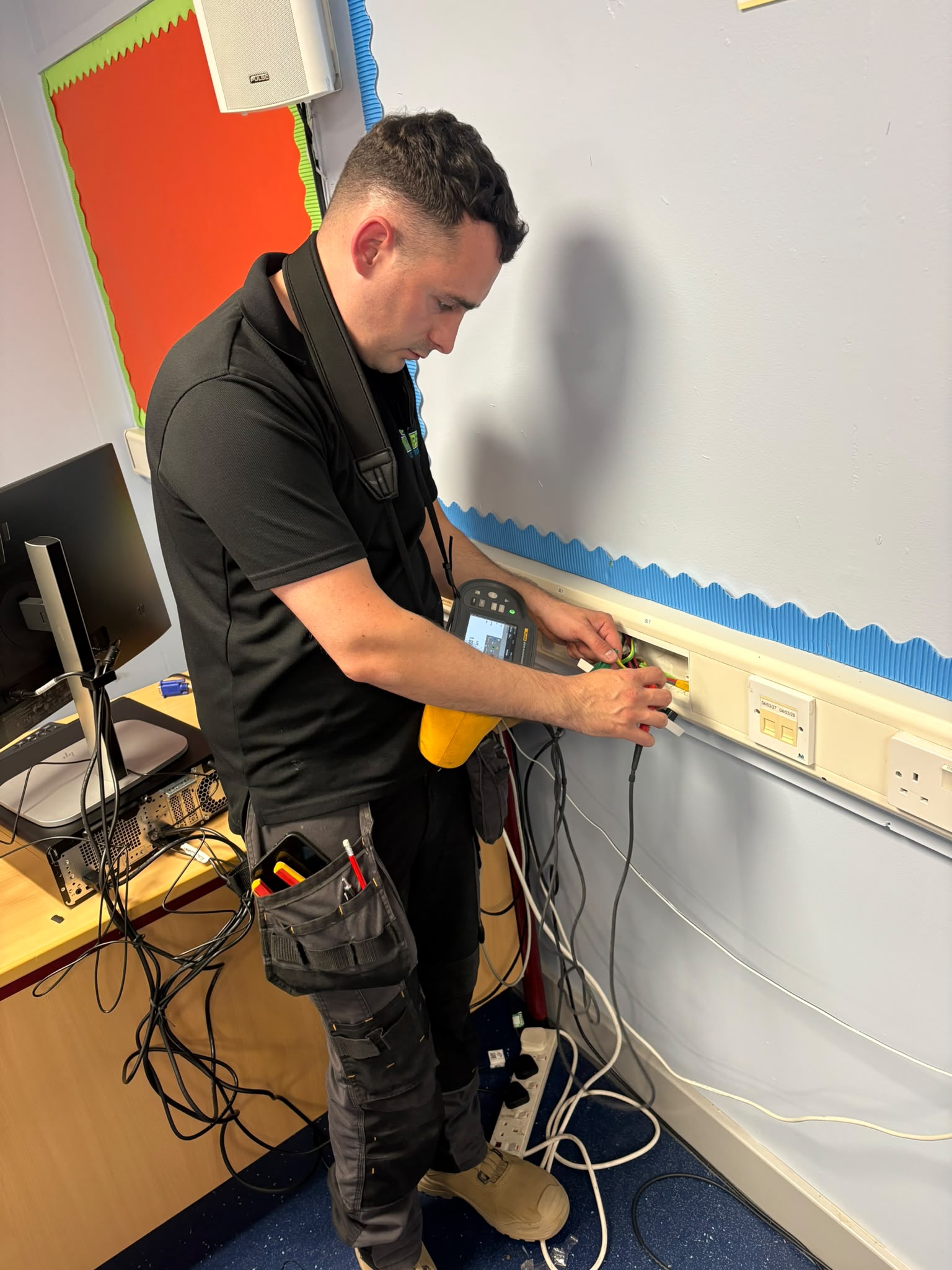
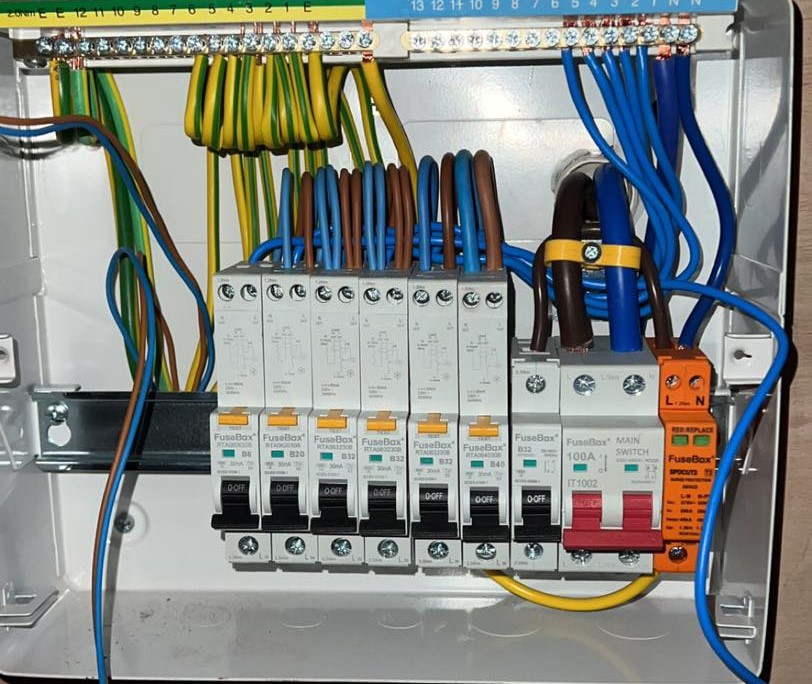
An EICR is not a visual check. It is a comprehensive inspection and test of the fixed wiring, consumer unit, earthing and bonding, circuit protective devices, and all associated accessories. Our electricians will need to access the consumer unit and a representative sample of socket outlets, light fittings, and distribution circuits throughout the property.
The process typically takes between two and four hours for a standard domestic property, depending on the size of the installation and the number of circuits. Larger or more complex commercial properties may require longer. We will always provide a time estimate in advance so you can plan access accordingly.
On completion, you will receive a formal report classifying any observed deficiencies using the standard coding system: C1 (danger present — immediate action required), C2 (potentially dangerous — urgent remedial work needed), C3 (improvement recommended), and FI (further investigation required). We will talk you through the findings and provide a clear quotation for any remedial work
EICR for Landlord Portfolios
Managing EICR compliance across a property portfolio is a significant administrative burden. We work with several letting agents and factors across central Scotland to simplify this process. We can schedule inspections in batches, coordinate access with tenants directly, provide reports in a consistent digital format, and flag upcoming renewal dates so you are never caught out. If you manage 10 properties or 500, the process is the same — efficient, documented, and fully compliant.
Remedial Work
If your EICR identifies deficiencies that require remedial action, we can carry out the necessary work and retest the affected circuits. This avoids the cost and inconvenience of engaging a second contractor and ensures continuity of certification. All remedial work is quoted separately and carried out only with your approval.
EICR Questions
How often does an EICR need to be done?
For rental properties in Scotland, the Repairing Standard requires an EICR at least every five years. For homeowners, there is no legal requirement, but we recommend an inspection every ten years, or whenever you are buying, selling, or significantly altering a property. Commercial properties should be tested in accordance with their insurer’s requirements, typically every five years.
How long does an EICR take?
A standard domestic EICR typically takes two to four hours depending on the size of the property and the number of circuits. We will provide a time estimate when you book.
What happens if my EICR fails?
An EICR does not technically pass or fail — it is classified as either satisfactory or unsatisfactory. If the report is unsatisfactory, it will detail the specific deficiencies found and their severity. We can carry out the necessary remedial work and retest to achieve a satisfactory report.
How much does an EICR cost in Glasgow?
It depends on the size of the property and the number of circuits — a one-bedroom flat is a different job from a large commercial unit. We provide free, fixed written quotes, usually over the phone for domestic properties.
How long does an EICR take?
A typical two-to-three-bedroom home takes two to three hours. Larger properties and commercial premises take longer depending on circuit count.
What happens if my EICR is unsatisfactory?
The report lists coded observations. C1 (danger present) and C2 (potentially dangerous) items must be resolved for a satisfactory certificate. We provide a clear, itemised remedial quote — no scare tactics, no padding.
How often do I need an EICR?
Private rented properties in Scotland: every 5 years. Homeowners: every 10 years is recommended. Commercial premises: typically every 5 years, subject to insurer requirements.
Book an EICR
Call us today or complete the enquiry form to arrange an EICR for your property. We provide same-day quotes for standard domestic properties and bespoke pricing for portfolio and commercial work. Our coverage includes Glasgow, Stirling, Falkirk, South Lanarkshire, West Lothian, and Ayrshire.